Mobile Detailing vs. a Car Wash in Chula Vista
Why an automated tunnel wash and a mobile detail aren't the same service, and how to know which one your vehicle actually needs.
Chula Vista drivers have more car wash options today than at any point in the city's history, tunnel washes along Broadway and Telegraph Canyon Road, self-serve bays scattered through Otay Ranch, and mobile detailers like Factory that come straight to a driveway. On the surface, they all promise a clean car. In practice, they solve different problems, and treating an automated tunnel wash as a substitute for a real detail is one of the most common ways South Bay drivers end up with paint that looks worse over time instead of better, often without realizing the cause until years later.
What an Automated Car Wash Actually Does
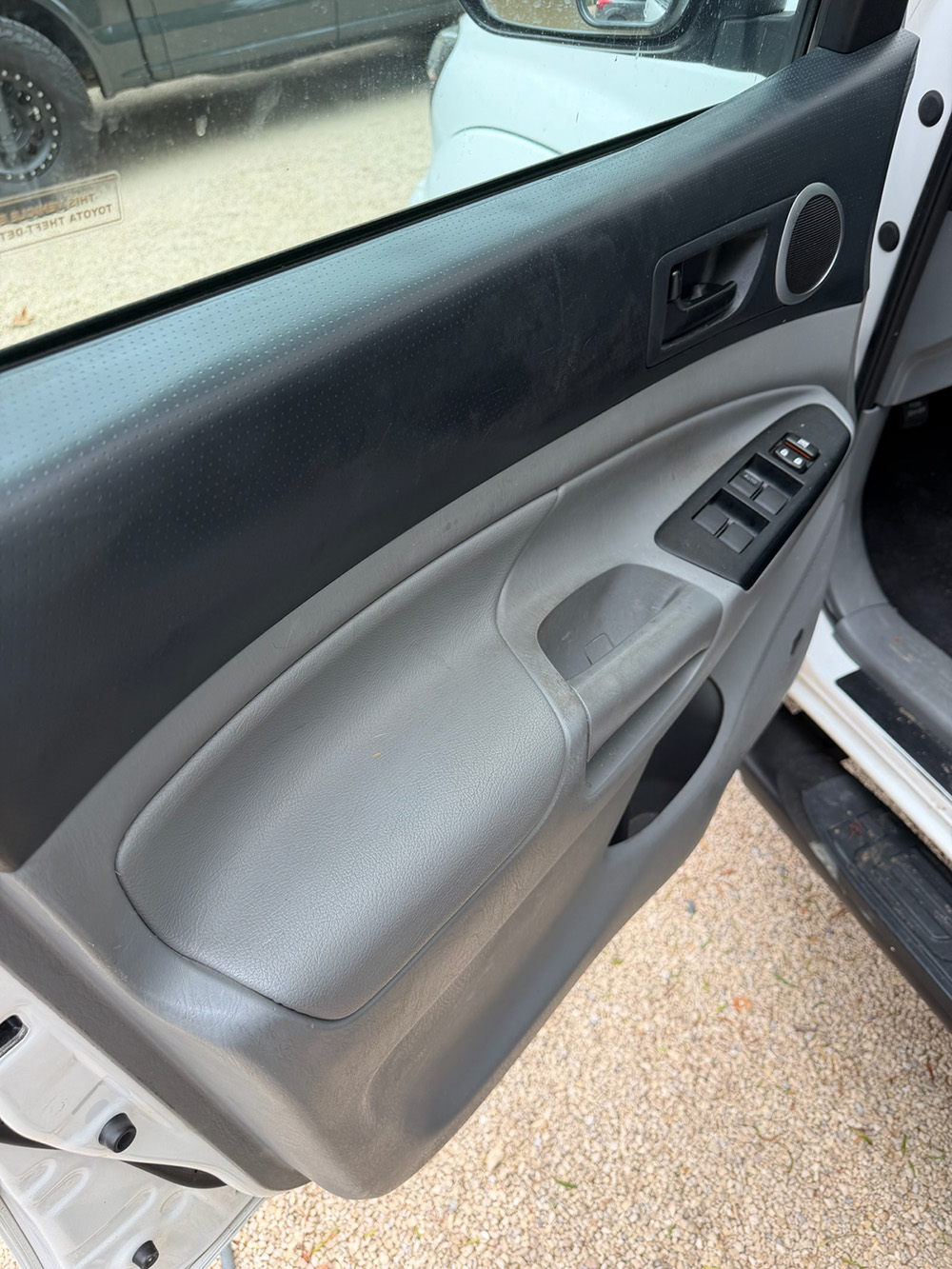
A tunnel wash is built for speed and volume, not paint preservation, processing dozens of vehicles an hour on a tight schedule. Most systems use rotating foam brushes or cloth strips that contact every vehicle that passes through, picking up grit from the last car and dragging it across the next one's paint. That's the mechanical origin of the fine, circular swirl marks so many Chula Vista vehicles accumulate after months of regular tunnel washing, marks that are barely visible under normal light but show up clearly under direct sun or a garage light held at the right angle.
Tunnel washes also rarely touch the interior beyond a basic vacuum add-on, and they never address embedded contamination, brake dust bonded to paint, tree sap, rail dust, that a wash alone can't lift no matter how many times a vehicle goes through.
What Mobile Detailing Adds That a Wash Can't
A real mobile detail starts with the same basic goal, a clean car, but uses hand washing with a two-bucket method and pH-balanced soap instead of automated brushes, eliminating the swirl-mark risk entirely. From there it goes further: a clay bar pass to strip embedded contaminants, a protective sealant or ceramic coating to slow future oxidation, and, on the interior side, steam extraction and leather conditioning that a wash's basic vacuum service never touches.
The result isn't just cleaner in the moment, it's protected going forward. A tunnel wash resets the surface dirt for a day or two. A mobile detail resets the surface dirt and adds a real layer of defense against the next few months of San Diego sun, freeway dust, and salt air off the bay.
Swirl marks from automated brush washes are cumulative. A single pass rarely causes visible damage, but 20 or 30 passes over a year or two build a haze that only a machine polish, paint correction, can fully remove. Prevention, hand washing instead of automated brushes, costs far less than correction after the fact.
Cost Comparison: Wash vs. Mobile Detail
| Service | Typical Cost | What You Get |
|---|---|---|
| Tunnel Wash (single visit) | $15-$30 | Automated exterior wash, basic vacuum add-on |
| Factory Maintenance Wash | $75 | Hand wash, wheel clean, interior wipe-down, at your driveway |
| Factory Full Detail Package | $300 | Complete interior and exterior detail, one visit |
| Factory 5-Year Ceramic Coating | From $1,450 | Multi-year paint protection, applied at your address |
A Realistic Scenario
Consider, for illustration, two neighbors in Otay Ranch with similar trucks purchased the same year. One runs the truck through a tunnel wash every other week and never does anything else. The other books a Factory maintenance wash monthly and a full exterior detail twice a year. After three years, the first truck typically shows a noticeably hazier finish under direct light, the accumulated effect of dozens of automated brush passes, while the second holds a deeper, more consistent gloss. This is an illustrative comparison based on typical wear patterns, not a documented case of two specific vehicles.
When a Regular Car Wash Is Still Fine
None of this means a tunnel wash is always the wrong choice. For a quick rinse between more thorough details, especially after a light rain or a dusty freeway drive along I-805, an occasional automated wash won't undo months of proper care. The risk comes from relying on it as the only form of car care a vehicle ever gets over years of ownership, that's when swirl marks accumulate and paint protection never gets applied in the first place.
How to Decide Which One You Need
If a vehicle just needs to look presentable for a quick errand, a wash is fine. If it's a daily driver accumulating real wear from Chula Vista's coastal air and freeway dust, or a vehicle being prepared for sale, a mobile detail addresses problems a wash was never designed to solve. According to the U.S. Environmental Protection Agency, coastal salt exposure is a documented accelerant of metal and clear-coat oxidation, which is part of why South Bay vehicles benefit more from a real protective layer than inland vehicles do from the same routine.
For most Chula Vista households, the practical answer is both: an occasional quick wash between scheduled Factory visits that handle the deeper cleaning and protection work a wash was never built to do in the first place.
The Chemistry Behind Why Brushes Cause Swirl Marks
Modern clear coats are remarkably durable against UV and chemical exposure, but they're still a relatively soft polymer layer compared to the metal or fiberglass underneath. Every time a rotating brush or cloth strip contacts a panel, any grit trapped in the material, sand, road salt, mineral deposits from the wash's own recycled water, acts like fine sandpaper. A single pass barely registers. Repeated over dozens of visits, that microscopic abrasion adds up into the fine web of scratches detailers call swirl marks, visible under direct sunlight or a raking inspection light but often invisible in a driveway's ambient shade, which is exactly why so many owners don't notice until the damage is already established.
Chula Vista's specific water chemistry adds another layer to this. Homes closer to the coast often deal with harder, more mineral-rich tap water, and a tunnel wash's recycled rinse water can carry a similar mineral load. Both leave behind the fine water-spotting that, combined with brush-induced swirl marks, compounds into the dull, hazy look so many two- or three-year-old daily drivers develop without any single dramatic incident causing it.
What a Professional Wash Protects Against That a DIY Wash Doesn't
Plenty of Chula Vista residents wash their own vehicles at home, and there's nothing wrong with that as a supplement to professional care. But a few common home-washing habits actually accelerate the exact problems described above. Reusing the same wash mitt without a two-bucket rinse system drags the same grit across the paint repeatedly. A garden hose's low pressure often fails to fully rinse away loosened dirt before the second wipe. And most home washing skips the clay bar and decontamination step entirely, since it requires specific products most driveways don't have on hand.
None of this means home washing is pointless, a regular home wash is far better than no washing at all. It simply means home washing and a tunnel wash both leave a gap that a professional mobile detail is specifically built to close: proper technique, the right products for each surface, and a decontamination step that neither DIY washing nor an automated tunnel wash typically includes.
How San Diego County's Climate Changes the Calculation
Vehicles in a drier, less coastal market can sometimes get away with a looser maintenance schedule than what Factory recommends for Chula Vista. San Diego Bay's salt air, combined with near-constant UV exposure through most of the year, accelerates both the swirl-mark buildup from repeated washing and the oxidation that happens on any unprotected clear coat. A vehicle that might tolerate a once-a-month tunnel wash routine in a cooler, drier climate shows visible wear faster here, which is part of why Factory's technicians see a steady stream of two- and three-year-old vehicles already showing more surface degradation than their actual age alone would otherwise suggest.
Frequently Asked Questions
Does a touchless car wash avoid the swirl mark problem?
Touchless washes reduce but don't eliminate the risk, since they still rely on high-pressure water and chemical agents that can be harsh on certain finishes over repeated use. They're a better middle option than a brush wash, but still don't include the decontamination and protection steps a real professional detail provides.
How often should I get a full mobile detail instead of just washing?
Most Chula Vista customers do well with a full detail package every two to three months, supplemented by lighter washes in between, adjusted based on how much the vehicle is driven and exposed to coastal air near the bay or the ocean.
Is ceramic coating worth it if I already wash regularly?
Yes, regular washing keeps surface dirt off but doesn't slow UV and oxidation the way a ceramic coating does. The two work together rather than substituting for each other.
Will a mobile detail cost more than going to a shop?
Factory's published pricing is generally in line with, or below, comparable full-service shop pricing in the Chula Vista area, with the added benefit that there's no need to arrange a ride or lose half a day waiting at a shop while the work gets done.
Can a swirl-mark-covered vehicle be fully restored?
In most cases yes, through a paint correction service that uses machine polishing to level the clear coat and remove the fine scratch pattern. Very deep or long-neglected swirl marks may need a multi-stage correction, but light to moderate marring typically corrects fully.
A Practical Maintenance Schedule for Chula Vista Drivers
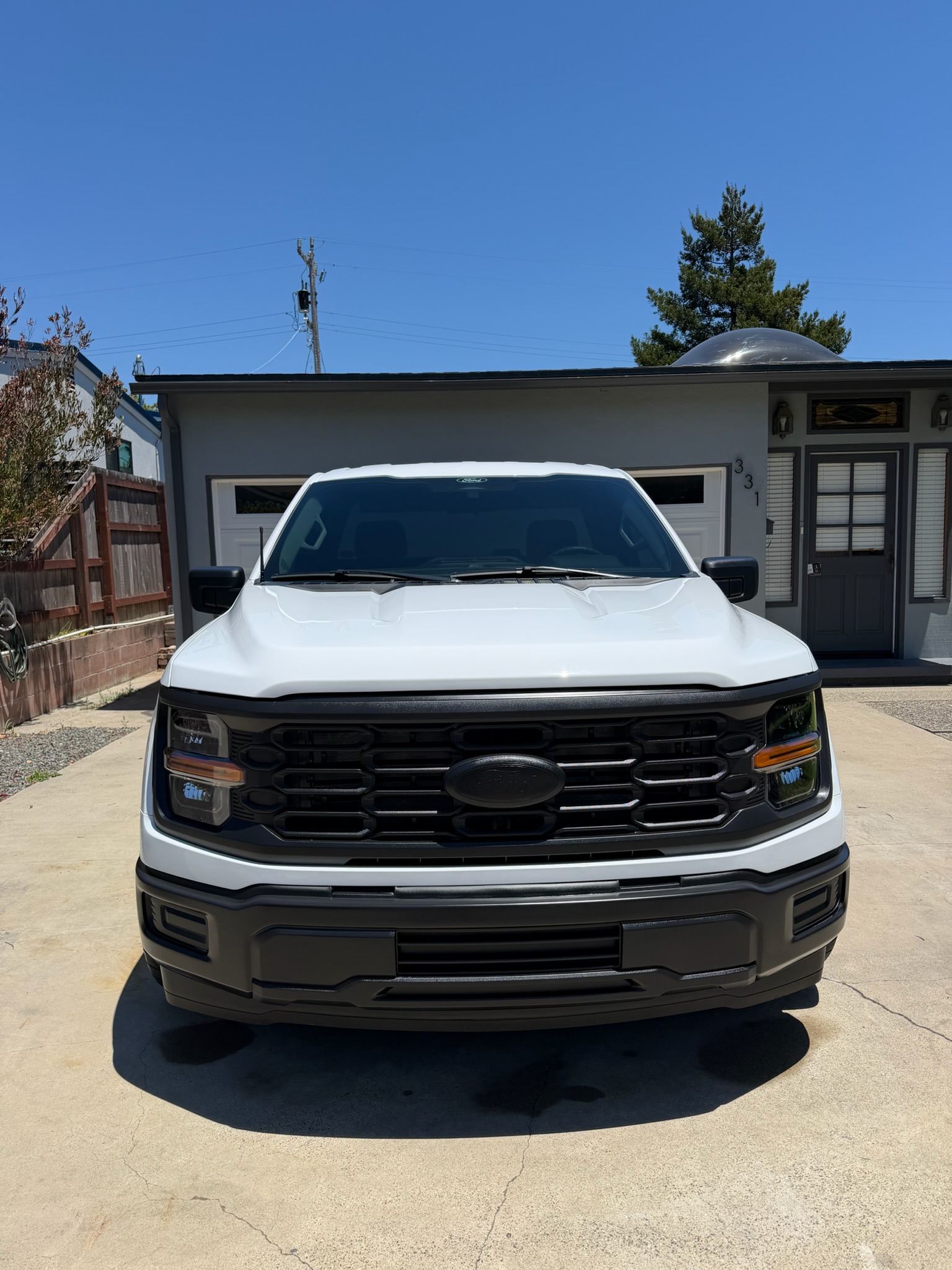
Rather than choosing one option exclusively, most Factory customers land on a layered approach that uses each tool for what it does best. A quick rinse at a touchless wash between scheduled details handles surface dust from an unexpected dusty drive. A Factory maintenance wash every few weeks keeps the vehicle looking consistently clean using proper hand-wash technique. A full exterior or full detail package every two to three months resets the vehicle more deeply, addressing anything the lighter washes miss. And for vehicles kept long-term or facing heavier coastal exposure, a ceramic coating anchors the whole routine, extending the interval between deeper corrections and making each maintenance wash more effective since the coating actively repels the dirt that would otherwise bond to bare paint.
This layered approach costs more upfront than relying on a single $20 tunnel wash indefinitely, but it avoids the larger expense of an eventual multi-stage paint correction needed to undo years of accumulated swirl marks and oxidation across every panel, a cost that often runs well past what the extra maintenance would have totaled over the same ownership period.
The Bottom Line
An automated car wash isn't a bad option, it's simply a different tool for a different job than a full mobile detail. Understanding the distinction, hand-washed versus brush-washed, decontaminated versus not, protected versus unprotected, helps Chula Vista drivers make an informed choice about where a wash makes sense and where a real detail earns its higher price. For a daily driver facing San Diego County's coastal air, salt exposure, and near-constant sun, that distinction adds up to a real, visible difference in how the paint looks two or three years down the road.
Ready to see the difference for yourself? Book a full detail package or explore ceramic coating options for longer-term protection. See how it applies specifically in Chula Vista or read the companion ceramic coating cost guide.
Skip the Tunnel Wash This Time
Book a real mobile detail at your own driveway.